SHIPPING ORDERS FOR CHRISTMAS WILL BE AVAILABLE AFTER THANKSGIVING
TO SHIP FOR THE 2027 MARDI GRAS KING CAKE SEASON, THOSE DATES WILL BE AVAILABLE AFTER DECEMBER 27, 2026
Mardi Gras Walking Tours
Mardi Gras may be famous for parades, elaborate floats, marching bands, and crowds dressed in purple, green, and gold, but some of the most memorable Carnival experiences happen at a much slower pace. Mardi Gras walking tours give visitors and locals a chance to explore the traditions behind the celebration, seeing historic neighborhoods, learning where familiar customs originated, and noticing details that can easily disappear when you are watching a parade from several rows deep.
Walking through New Orleans during Carnival season also helps put Mardi Gras into context. The celebration is not simply a collection of parades leading up to Fat Tuesday. It is a season shaped by neighborhood traditions, social organizations, food, music, architecture, history, and generations of families who have developed their own ways of celebrating. A thoughtfully planned walking tour can bring those pieces together while still leaving plenty of time for the spontaneous moments that make Mardi Gras unforgettable.
Why Explore Mardi Gras on Foot?
New Orleans rewards people who slow down. From historic homes and old storefronts to streetcar tracks, balconies, courtyards, and neighborhood gathering spots, many parts of the city are best appreciated when you are moving at walking speed rather than passing through in a car. During Mardi Gras season, those familiar surroundings become even more colorful as decorations appear, parade preparations begin, and Carnival energy spreads through different neighborhoods.
Walking also allows you to experience Mardi Gras beyond the largest parade routes. You might notice decorations hanging from porches, see businesses preparing for the season, hear musicians performing nearby, or encounter residents wearing costumes that would seem unusual almost anywhere else. These smaller details help explain why Carnival feels less like a single event and more like an entire season woven into daily life.
Mardi Gras History Comes Alive on the Street
Reading about Mardi Gras history can tell you when traditions developed, but seeing the places connected to those traditions makes the story easier to understand. Walking tours often explore how Carnival celebrations evolved in New Orleans, from early European influences to the development of organized krewes, formal balls, neighborhood celebrations, and the spectacular parades associated with the city today.
The history is complicated, too, which is part of what makes it interesting. Different communities contributed traditions that developed alongside one another, sometimes intersecting and sometimes remaining distinct. A good Mardi Gras walking tour can introduce visitors to those layers without reducing Carnival to beads, costumes, and parties.
You may also learn why seemingly small traditions matter. The colors associated with Mardi Gras, the symbolism used by different organizations, the customs surrounding throws, and even the vocabulary of Carnival all have stories behind them. Once you understand those details, watching a parade afterward can feel completely different.
Where Can You Take a Mardi Gras Walking Tour?
The French Quarter is an obvious starting point because of its age, architecture, and connection to the city's long history. A walk through the Quarter can introduce visitors to early Carnival traditions while also providing a broader look at how New Orleans developed culturally. During Mardi Gras season, however, visitors should remember that parade routes, crowds, and street closures can change how easily different areas can be reached.
The Garden District and areas around Uptown offer another perspective. These neighborhoods are closely associated with some of the city's best-known parade routes, which makes them especially interesting for visitors who want to understand how Mardi Gras interacts with residential neighborhoods. Walking along or near a route before parade time can reveal preparations that spectators may never notice once the crowds arrive.
Other neighborhoods can provide equally valuable experiences, particularly for travelers who want to see how Carnival traditions vary throughout the city. Instead of treating Mardi Gras as something confined to one entertainment district, exploring different areas makes it easier to understand how deeply the season extends into New Orleans culture.
Walking the Parade Routes Before the Crowds Arrive
One of the simplest Mardi Gras walking tours requires no formal guide at all. Visiting a parade route earlier in the day gives you an opportunity to see how the city prepares before thousands of spectators arrive.
Barricades, ladders, decorations, temporary setups, and carefully selected viewing spots begin appearing as families and groups establish their places. Restaurants and businesses prepare for heavier traffic, while residents adjust their routines around approaching street closures. Seeing that preparation provides a behind-the-scenes look at the enormous amount of coordination required to make Mardi Gras parades possible.
Returning to the same location during a parade creates an interesting contrast. A relatively calm street can transform within hours into a dense celebration filled with music, costumes, floats, throws, and cheering spectators.
What Should You Look for Along the Way?
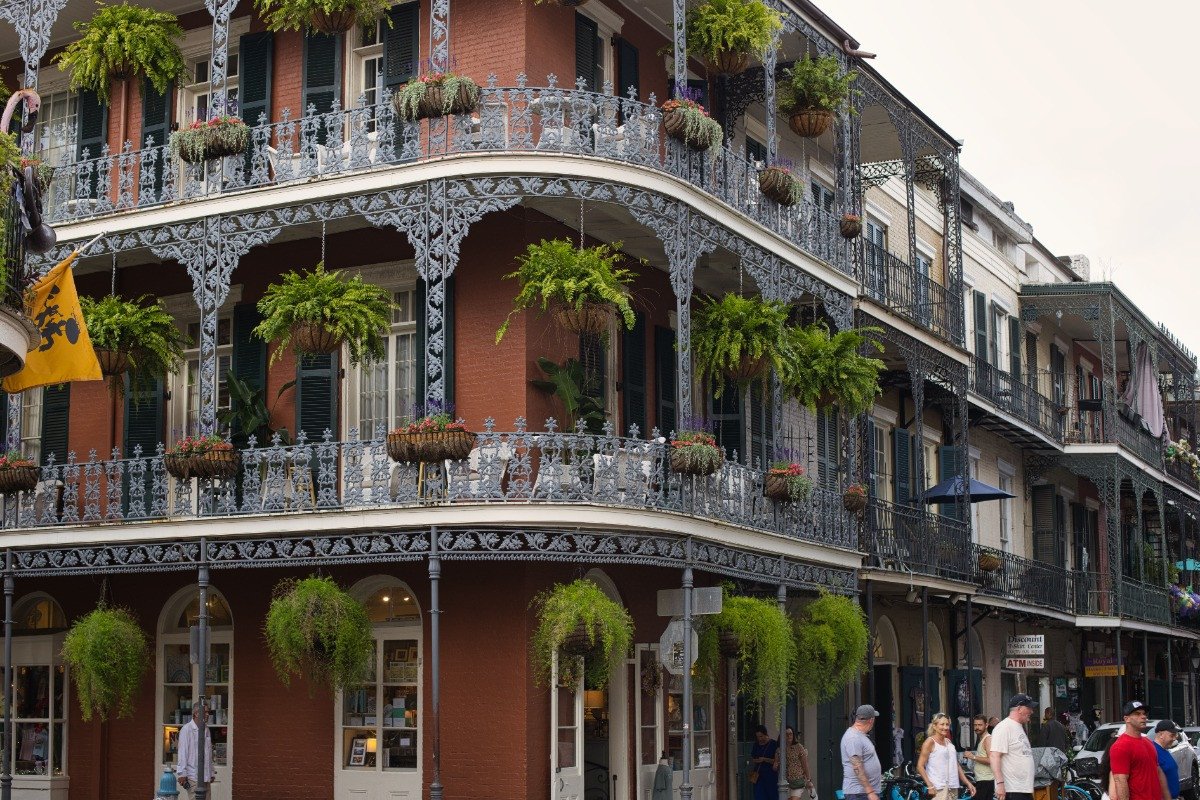
Architecture is easy to overlook during Mardi Gras because the celebration itself demands so much attention, yet New Orleans provides an extraordinary backdrop for Carnival. Look above street level as you walk, particularly in older areas where balconies, galleries, decorative ironwork, shutters, and historic facades contribute to the atmosphere.
Carnival decorations deserve attention as well. While commercial areas may feature large displays, residents frequently create their own decorations using wreaths, flags, lights, banners, and handmade designs. Some homes become attractions in their own right because their owners embrace Carnival decorating with remarkable creativity.
Keep an eye on the people around you, too. Costuming is a major Mardi Gras tradition, and not every memorable costume appears on a float. Some people spend considerable time designing outfits for particular days, groups, or neighborhood events, turning the streets themselves into part of the performance.
Food Is Part of the Mardi Gras Journey
It is difficult to separate Mardi Gras from food because Carnival has always been connected to indulgence before Lent. New Orleans offers countless foods associated with celebrations, gatherings, and parade days, but king cake remains one of the season's most recognizable traditions.
King cake is more than dessert placed on a table for Fat Tuesday. Throughout Carnival season, families, friends, coworkers, and visitors share cakes at parties, offices, homes, and other gatherings. The familiar purple, green, and gold decorations immediately signal that Carnival has arrived, while the tradition of finding the small baby hidden inside adds a playful ritual to each cake.
Randazzo King Cakes helps carry that tradition forward by giving families and Mardi Gras fans a way to make king cake part of their own Carnival celebrations. Whether you enjoy a slice before heading out for a day of exploring or bring a cake back to share after your walk, the food helps connect what you see around the city with the traditions people continue in their homes.
Can You Create Your Own Mardi Gras Walking Tour?
Absolutely. While guided tours are useful for travelers who want detailed historical explanations, creating your own route gives you more flexibility, particularly when Carnival schedules make transportation unpredictable.
Start by choosing one neighborhood rather than attempting to walk across large portions of the city. Select a few historic streets, landmarks, parade-related areas, or neighborhoods that interest you, and build your route around them. Leaving open time between planned stops makes the experience more enjoyable because you can investigate interesting buildings, decorations, shops, or performances without constantly checking the clock.
It is also worth planning around parade schedules. A street that is easy to cross in the morning may become effectively impassable once a parade begins, and transportation options can change quickly when routes close. Understanding where the day's parades will travel helps prevent a relaxing walking tour from becoming an unexpected logistical challenge.
Guided Tours Can Reveal Stories You Might Otherwise Miss
A knowledgeable local guide can turn an ordinary street corner into a story. Buildings that appear simply old or attractive may have connections to Carnival organizations, historic figures, former businesses, or traditions that are difficult to discover without research.
Guides can also explain terminology that newcomers frequently encounter during Mardi Gras. Words such as "krewe," "throws," and "neutral ground" become much more meaningful when you understand how they fit into the actual experience of Carnival.
For visitors making their first Mardi Gras trip, a guided tour early in the visit can be especially useful. Learning how the celebration works before attending several parades can make the rest of the trip easier to navigate and far more interesting.
Dress for the Walk and the Weather
Comfortable shoes might be the most important item you bring on a Mardi Gras walking tour. New Orleans streets can be uneven, and exploring historic neighborhoods often involves considerably more walking than visitors expect. Shoes that have already been broken in are usually a better choice than something new purchased specifically for the trip.
Weather can vary during Carnival season, so layers are useful. A pleasant afternoon can become noticeably cooler after sunset, particularly if you remain outside waiting for an evening parade. Light rain is another possibility, making a compact rain layer helpful when the forecast looks uncertain.
Costumes and Mardi Gras colors are always welcome, provided your outfit remains practical enough for walking. Purple, green, and gold accessories provide an easy way to participate without sacrificing comfort.
Give Yourself More Time Than You Think You Need
New Orleans is not a city that rewards overly rigid itineraries during Mardi Gras. A street performance might delay you for 20 minutes because you decide to stop and watch, or an interesting neighborhood might tempt you away from your original route. Parade preparations can create unexpected detours, and crowds frequently make short distances take longer than anticipated.
That unpredictability is not necessarily a problem. In many cases, it is part of the experience. Leaving extra time allows you to appreciate what is happening around you instead of treating the city like a checklist of attractions.
A walking tour should provide structure without eliminating spontaneity. Choose the places you most want to see, understand the day's parade schedule, and then give yourself permission to wander a little.
Mardi Gras Looks Different When You Slow Down
Parades will always be one of the highlights of Carnival, but Mardi Gras walking tours reveal another side of the celebration. Exploring neighborhoods on foot helps you see the architecture behind the floats, the traditions behind the costumes, and the communities that transform the city each Carnival season.
The experience also reminds you that Mardi Gras does not exist only during the few hours when a parade passes. It is present in decorated homes, neighborhood gatherings, historic streets, local businesses, family traditions, and the foods people wait all year to enjoy.
When you are ready to make your own Carnival season a little sweeter, bring the tradition home with a Randazzo King Cake. Whether you are preparing for a day of Mardi Gras exploring, gathering with friends after a parade, or celebrating from outside Louisiana, sharing a king cake gives everyone around the table a taste of the season and one more reason to keep the Mardi Gras tradition going.