SHIPPING ORDERS FOR CHRISTMAS IS AVAILABLE NOW
STORE FRONT WILL OPEN ON THUR. DEC. 10 AT 8 AM
TO SHIP FOR THE 2027 MARDI GRAS KING CAKE SEASON, THOSE DATES WILL BE AVAILABLE AFTER DECEMBER 27, 2026
Echoes of Mardi Gras’ Past:
There is something special about Mardi Gras in New Orleans, where the sound of a brass band, the sight of colorful beads hanging from an oak tree, or the familiar sweetness of a king cake can bring back memories of celebrations from decades ago. Although the parades have grown larger and the festivities have evolved, much of what makes Mardi Gras so memorable comes from traditions that generations of Louisiana families have worked to preserve. Behind the elaborate floats and lively crowds is a fascinating history filled with cultural influences, neighborhood gatherings, family recipes, and customs that continue to shape Carnival today. Exploring the echoes of Mardi Gras’ past offers a wonderful reminder that this beloved celebration is about much more than a single day of festivities.
The Early Beginnings of Mardi Gras in Louisiana
Mardi Gras has roots that stretch back centuries, long before New Orleans became famous for its elaborate Carnival celebrations. European settlers brought pre-Lenten festivities to Louisiana, where French customs gradually mixed with the cultural influences of the region. These early celebrations were quite different from the parades we recognize today, often consisting of private gatherings, masked balls, and social events that brought together members of colonial society. As New Orleans developed into a thriving port city, its distinctive blend of European, African, and Caribbean traditions helped shape the character of Carnival.
By the eighteenth century, Mardi Gras had become an established part of New Orleans society, although celebrations remained relatively modest compared to modern festivities. Wealthy residents hosted elegant gatherings, while other revelers found their own ways to participate in the excitement surrounding the season. Over time, public celebrations grew more common, eventually transforming Mardi Gras from a collection of social occasions into a citywide tradition that attracted people from many backgrounds.
How Did Mardi Gras Parades Become a New Orleans Tradition?
The organized Mardi Gras parade emerged during the nineteenth century, when Carnival celebrations began taking on a more recognizable form. Before elaborate floats became standard, people celebrated through informal street processions featuring costumed participants, decorated carriages, and groups of revelers moving through the city. These early gatherings were lively and occasionally unpredictable, but they demonstrated how much New Orleanians enjoyed bringing the festivities into public spaces.
A major turning point came in 1857, when the Mistick Krewe of Comus introduced an organized nighttime parade featuring themed floats and costumed participants. This event established a model that other Carnival organizations would eventually follow, helping transform Mardi Gras into a coordinated celebration with recognizable traditions. The introduction of Rex in 1872 further shaped the festivities, creating the ceremonial King of Carnival and strengthening the royal imagery that continues to define the season.
As more krewes emerged, parades became increasingly elaborate, with organizations developing their own themes, costumes, and customs. Although the size and sophistication of these celebrations changed dramatically over time, the underlying excitement remained familiar. Families gathered along parade routes, children waited eagerly for throws, and neighborhoods came together to enjoy an event that gradually became one of Louisiana’s most recognizable cultural traditions.
The Meaning Behind the Purple, Green, and Gold
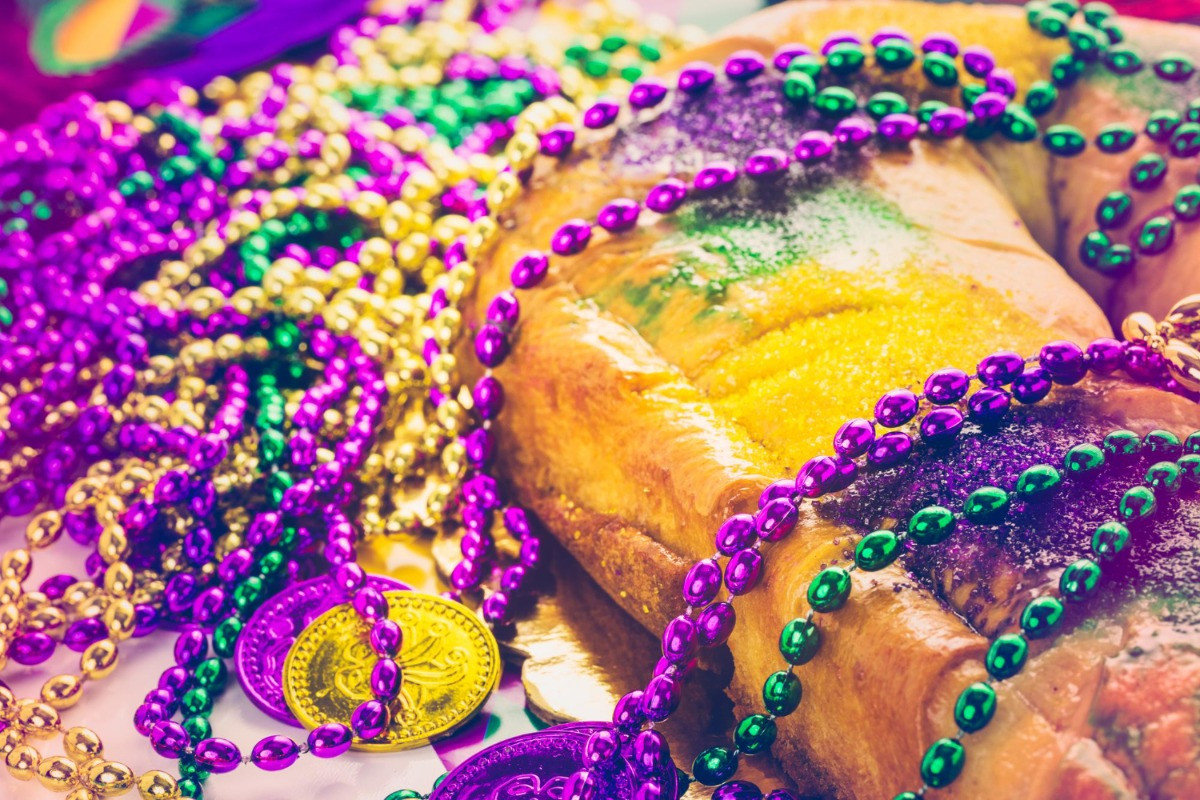
Few combinations of colors are as immediately recognizable as the purple, green, and gold associated with Mardi Gras. These vibrant shades appear throughout the Carnival season, decorating everything from elaborate parade floats and festive costumes to homes, storefronts, and traditional king cakes. Their history is closely associated with the Rex organization, which introduced the colors during the nineteenth century.
In 1892, Rex assigned symbolic meanings to the three colors, establishing purple as a representation of justice, green as a symbol of faith, and gold as an expression of power. Although many people encounter these colors primarily through decorations and celebrations, their traditional meanings reflect the ceremonial character of early Carnival festivities. Today, the combination remains one of the most enduring visual connections between modern Mardi Gras and its historical beginnings.
The Lost Art of Old-Fashioned Carnival Celebrations
Before modern technology transformed the way parades were organized and enjoyed, Mardi Gras relied heavily on craftsmanship, creativity, and community participation. Floats were designed and decorated by skilled artists, while elaborate costumes required considerable planning and careful attention to detail. The beauty of these creations came from the imagination and dedication of the people responsible for bringing each Carnival theme to life.
The atmosphere surrounding older celebrations also had a distinctive character. Without smartphones or social media, spectators experienced parades through the sights, sounds, and excitement unfolding directly in front of them. Families would establish favorite viewing locations, neighbors shared food and conversation, and children collected their treasured throws with enthusiasm. Although modern conveniences have made Carnival easier to document and share, these simple experiences remain central to the holiday’s appeal.
Why Are Mardi Gras Krewes So Important?
Mardi Gras krewes are among the most recognizable institutions associated with Carnival, and their traditions provide a fascinating glimpse into the celebration’s development. These organizations are responsible for planning many of the parades, balls, and ceremonial events that take place throughout the season. Some have histories extending back more than a century, while newer organizations have introduced creative approaches that reflect changing communities and cultural influences.
Historically, membership in many established krewes was restricted, reflecting the social divisions of earlier generations. As Carnival evolved, additional organizations created opportunities for broader participation, including Black Carnival groups, women’s krewes, and neighborhood organizations. Their contributions helped expand the meaning of Mardi Gras, demonstrating how traditions can remain recognizable while becoming more representative of the communities celebrating them.
For many participants, belonging to a krewe is also a family tradition. Parents introduce their children to Carnival customs, relatives participate in annual celebrations, and friendships develop through shared preparations. These relationships help explain why Mardi Gras remains such a personal experience for many Louisiana residents, even as its reputation continues to attract visitors from around the world.
The Fascinating History of Mardi Gras Throws
Catching beads, doubloons, and other colorful souvenirs has become one of the most enjoyable parts of attending a Mardi Gras parade. However, the tradition of distributing throws developed gradually as Carnival organizations looked for ways to interact with spectators. Early paradegoers received relatively simple trinkets, while later generations became familiar with the colorful necklaces and specially designed keepsakes associated with individual krewes.
Glass beads were once especially prized, and many older Carnival souvenirs are now treasured as collectibles. Over time, plastic beads became increasingly common, making it easier for parade riders to distribute large quantities of throws. Some organizations also developed signature items, including decorated coconuts and hand-designed shoes, which added a personal touch to the experience.
For longtime Mardi Gras enthusiasts, these souvenirs often carry sentimental value far beyond their original purpose. A carefully preserved doubloon or an unusual throw can remind someone of a childhood parade, a memorable afternoon with friends, or a family tradition that has continued for generations.
The Sounds That Have Defined Mardi Gras for Generations
Music has always played a central role in the cultural identity of New Orleans, and Mardi Gras provides one of the most exciting opportunities to experience that heritage. Brass bands, marching musicians, and traditional jazz performers contribute to an atmosphere that feels unmistakably connected to the city. Their performances transform ordinary streets into lively gathering places, encouraging spectators to dance, sing, and participate in the celebration.
Many of the musical traditions associated with Carnival developed alongside New Orleans’ distinctive jazz culture. African American musicians and neighborhood organizations played particularly important roles in shaping the rhythms and performances that became synonymous with the city. The influence of these communities continues to resonate through contemporary Mardi Gras music, creating a direct connection between present-day celebrations and earlier generations of performers.
How Did King Cakes Become Part of Mardi Gras?
Among the many traditions that have endured through centuries of Carnival celebrations, few are as beloved as the king cake. Its origins are connected to European customs surrounding Epiphany, celebrated on January 6, which commemorates the visit of the Magi to the infant Jesus. As these traditions reached Louisiana, king cakes became increasingly associated with the Carnival season, eventually developing into a distinctive part of New Orleans food culture.
Earlier versions of king cake were often simpler than the richly decorated pastries enjoyed today. Some featured a relatively plain breadlike dough with sugar on top, while a bean or another small object was concealed inside. Over time, Louisiana bakers developed sweeter, more elaborate variations, incorporating cinnamon, colorful sugar, icing, and fillings that reflected changing tastes.
The familiar custom of finding a hidden baby also became an important part of the experience. Traditionally, the person who discovers the baby in their portion receives a special distinction and is often expected to provide the next king cake. This playful responsibility encourages families, friends, and coworkers to continue gathering throughout Carnival, turning a simple dessert into a tradition that brings people together.
The Randazzo Family’s Place in King Cake History
The story of Randazzo King Cakes reflects the importance of family recipes in preserving Louisiana’s culinary heritage. In 1965, Manuel Randazzo Sr., along with his father and brothers, opened the family’s renowned bakery in the Chalmette area. Their approach to king cakes helped popularize a sweeter, cinnamon-filled pastry decorated with icing and colorful sugar, creating a memorable variation on an established Carnival favorite.
Manuel’s son, Manny Randazzo, learned the family’s baking techniques and recipes directly from his father, carrying that knowledge into another generation. In 1992, Manny opened his own full-service bakery, eventually deciding in 1995 to concentrate exclusively on the family’s celebrated king cakes. This decision reflected the growing demand for a dessert that had become closely associated with Louisiana’s Carnival traditions.
Today, Randazzo King Cakes continues to celebrate the family’s baking heritage, offering customers an opportunity to enjoy flavors connected to generations of Mardi Gras celebrations. For people who grew up enjoying king cakes during Carnival, that familiar combination of cinnamon, sweet dough, and colorful icing can bring back memories of family gatherings and festive occasions.
Why Do Traditional Mardi Gras Foods Matter So Much?
Food has always been an important part of Louisiana’s cultural identity, and Mardi Gras offers a particularly meaningful opportunity to celebrate recipes passed from one generation to the next. Families often prepare familiar dishes for parade gatherings, combining the excitement of Carnival with the comfort of home cooking. Whether the menu includes gumbo, jambalaya, red beans, or another regional favorite, these meals contribute to the social atmosphere that makes the season memorable.
King cakes occupy a particularly special place because they are closely tied to the Carnival calendar. Their arrival signals the beginning of a festive period filled with gatherings, celebrations, and anticipation. Sharing a king cake at the office, bringing one to a family gathering, or sending one to a loved one living elsewhere allows people to participate in a tradition that extends beyond the parade routes.
Keeping Mardi Gras Memories Alive for Future Generations
One of the most remarkable things about Mardi Gras is its ability to bring different generations together through shared experiences. Grandparents can remember the parades they attended as children, parents can introduce familiar customs to their families, and younger participants can begin creating memories of their own. Although the celebration has changed significantly over the years, these personal connections help maintain its distinctive character.
Preserving Carnival history does not necessarily require elaborate ceremonies or formal events. Sometimes, it happens through small gestures, such as teaching a child the meaning of the Mardi Gras colors, sharing stories about an old parade route, or explaining why someone who finds the baby in a king cake is responsible for bringing the next one. These everyday moments allow traditions to remain meaningful rather than becoming simply historical curiosities.
Can Mardi Gras Preserve Its Traditions While Continuing to Evolve?
Mardi Gras has never been a celebration that remains completely unchanged. From its early colonial gatherings to the arrival of organized parades and modern Carnival productions, each generation has contributed something new. Different communities have introduced fresh perspectives, musical traditions, artistic styles, and customs that have helped the celebration grow into the diverse cultural experience it is today.
The challenge lies in embracing these changes without losing the traditions that give Mardi Gras its identity. Historic krewes, neighborhood celebrations, family gatherings, and longtime local businesses all contribute to maintaining that connection. By supporting traditional craftsmanship, sharing family recipes, and teaching younger generations about Carnival history, New Orleanians can celebrate the future while remaining connected to the past.
Celebrating the Past With Every Slice of Randazzo King Cake
The echoes of Mardi Gras’ past can still be found throughout Louisiana, from the music filling neighborhood streets to the familiar colors decorating homes and the king cakes shared around family tables. Although generations have introduced new ways to celebrate, the heart of Carnival remains rooted in community, tradition, and the joy of spending time together. At Randazzo King Cakes, that heritage lives on through a family recipe that has been enjoyed since 1965. Whether you are continuing a longstanding Mardi Gras tradition or introducing someone to their very first king cake, sharing a Randazzo King Cake is a delicious way to celebrate the history, memories, and unmistakable spirit of New Orleans.